Linen vs. Cotton in Bath Linens: What Really Impacts Comfort and Longevity
A thoughtful, field-tested exploration of two foundational fibers—linen and cotton—through the lens of everyday bath textiles. We examine comfort, durability, care routines, and environmental footprints, drawing on practical guidance from leading brands and real-world usage. This piece threads historical nuance with modern specification to help readers decide which fiber best supports their climate, routine, and skin sensitivity.
A Fiber Portrait: Linen and Cotton in the Bath
Linen and cotton have long defined the texture and ritual of our daily cleansing. Linen, derived from flax fibers, carries a narrative of ancient craft and porous air, a fabric that breathes even when damp. Cotton, cultivated in a variety of climates, offers a plush, consistent softness and a smoother surface that many find instantly familiar after a shower. When we bring these fibers into the bath—towels, bath mats, robes, and linens—their innate properties shape not only comfort but also the rhythm of maintenance.
Linen’s strength emerges in its ability to wick moisture quickly and remain cool to the touch, a feature especially valued in humid bathrooms or warmer climates. The fabric’s hollow fibers promote air circulation, which can translate into a sense of brisk dryness after a bath. Over time, linen softens and develops a relaxed drape, a patina that many designers celebrate for its natural, lived-in character.
Cotton towels tend to feel softer out of the box, thanks to denser weaves and higher initial loft. They often maintain plushness through a higher pile, but can accumulate moisture more persistently in high-humidity spaces unless properly dried. In environments with fluctuating temperatures, cotton’s warmth can become a comfort asset or a drawback depending on the season and the household’s laundering cadence.
Beyond mood and touch, the decision between linen and cotton intersects with care requirements, environmental considerations, and long-term durability. The following sections move from the laboratory of fabric science to the daily routines that keep bath textiles pristine, along with brand-informed insights that illuminate real-world practices.
Care and Longevity: What Impacts Softness and Lifespan?
A foundational truth about bath textiles is that laundering is both anchor and shaper of performance. The temperature, detergents, drying methods, and even the sequence of washing cycles contribute to the fabric’s hand, colorfastness, and structural integrity. Linen and cotton respond differently to heat, moisture, and abrasion, so a tailored care calendar often yields the best results.
Linen, when stone-washed or garment-washed as many premium linens are, reveals a softer texture gradually and tends to resist pilling. Its moisture-handling capacity remains strong as it ages, though the edges and finishes—such as hemstitch or pick stitching—benefit from gentle laundering and line-drying when possible. High-heat tumble drying can reduce linen’s life by accelerating fiber fatigue, so many enthusiasts favor lower heat or air-drying, followed by a brief, cool finish to reduce wrinkles.
Cotton towels, particularly those with higher GSM (grams per square meter) and plush loops, reward a careful approach: cool to warm water washes, color-safe detergents, and mindful drying to preserve loft. Over time, cotton’s pile can compress with frequent heat, diminishing absorbency and softness. Nonetheless, if cared for with patience—avoiding fabric softeners that can reduce absorption—cotton towels can remain remarkably welcoming for years.
Scenario-Based Guidance: When to Choose Linen or Cotton
-
High humidity bathrooms: Linen towels tend to feel cooler and can dry more rapidly between uses, reducing the sense of dampness. Consider a linen-bath textiles set for climates that favor breathability.
-
Climates with variable temperatures: Linen’s temperature regulation helps balance warmth in cooler months and coolness in summer, offering a year-round comfort profile.
-
Sensitive skin or allergies: Both fibers have gentler options, but GOTS-certified organic linen or tightly woven cotton with low-residue detergents can minimize irritants. It’s important to review fabric certifications and dye formulations.
-
Washing cadence and energy considerations: If you favor quick-drying cycles or limited tumble-drying, linen’s airiness and lower moisture retention can be advantageous. For households that prioritize plush softness straight from the dryer, cotton offers immediate comfort with a short path to recovery after washing.
Brand Perspectives: Lessons from Naturepedic, Coyuchi, Libeco
Industry leaders reveal a spectrum of approaches—from the chemical-free, GOTS-certified linen line by Coyuchi to Libeco’s long-standing Belgian heritage in flax and linen weaving. Naturepedic brings a focus on organic fibers and careful sourcing, affirming that the path from field to bathtekstile can embody environmental stewardship as a foundational value.
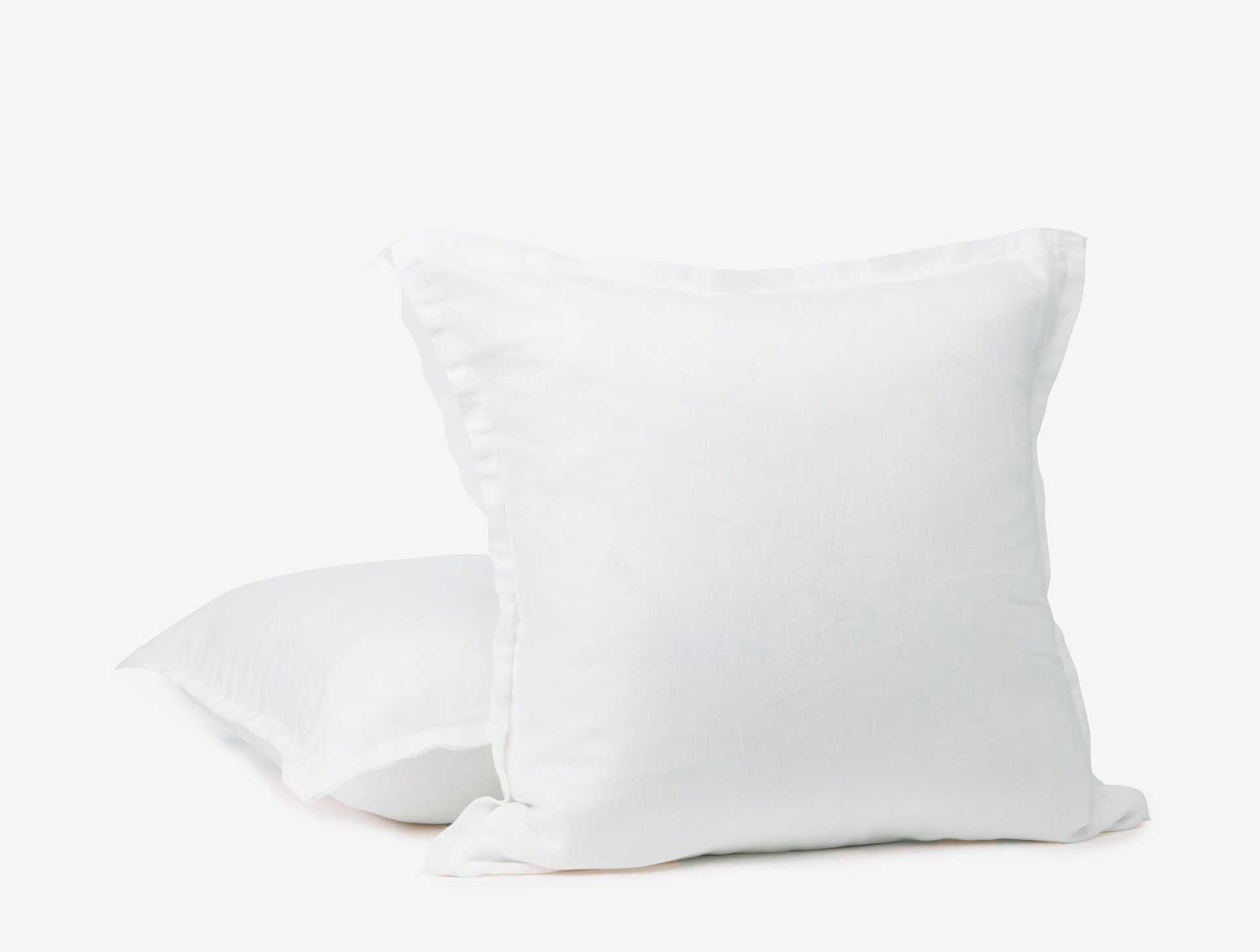
Coyuchi’s Organic Relaxed Linen Sheet Set, for example, demonstrates how a linen fiber can be finished to deliver a relaxed hand while maintaining crisp structure. The combination of European flax grown in favorable soils and mills in Portugal has become a blueprint for durable, breathable bedding that ages gracefully. For cotton-focused towels, the market gravitates toward high-density weaves that emphasize softness and absorbency, while still pursuing sustainable dyeing practices and responsible laundering guidelines.
The choice of finish—stone-washed linen, garment-dyed colors, or tailored hems—can transform how a textile performs over time. While a linen robe or towel might start with a crisp, tactile feel, it gradually yields to a more comfortable, lived-in texture that becomes part of the room’s character.
A Practical Guide to Selection: Quick Reference
When selecting bath textiles, begin with a triage of questions: climate, laundry cadence, and skin sensitivity. Then map your decisions to fiber performance:
- Climate and humidity: Linen generally offers better air flow and quicker drying, reducing the sense of dampness in humid bathrooms.
- Softness and initial feel: Cotton towels often feel plush straight out of the dryer; linen may need a few washes to reach its full softness.
- Durability and longevity: Linen fibers resist wear through repeated use and laundering, while cotton fibers may experience slower loft recovery if subjected to aggressive heat.
- Care preferences: Linen likes cooler washes and line drying to preserve crispness; cotton can tolerate warm cycles if done with gentle detergents.
A holistic approach is to embrace a mix: linen for bath textiles that you use routinely and cotton for the “cosy” elements you keep near the sink or in guest spaces. The key is avoiding a purely disposable mindset and investing in textiles that will mature with you.
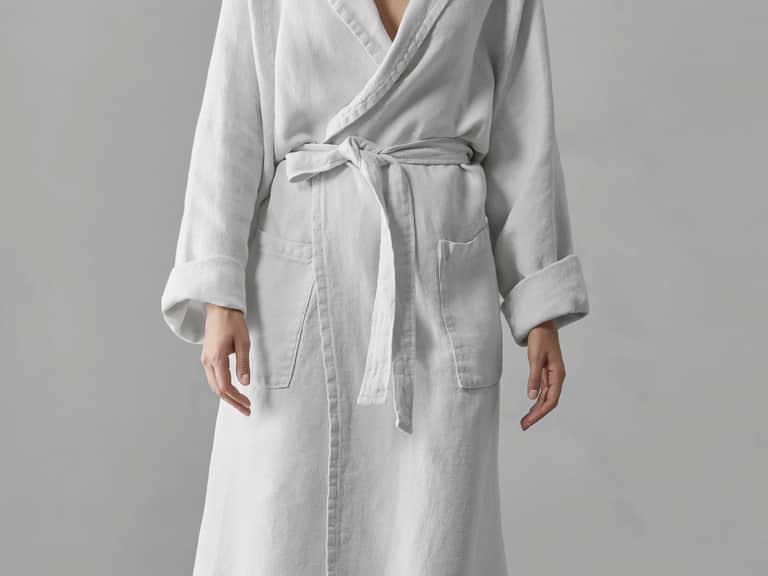
Product Spotlight: Crel Bathrobe as an Exemplar of Linen Craft
Crel Bathrobe
A linen bathrobe with a crepe effect and garment-dyed color; 100% linen, shawl collar, two pockets, and machine washable. The garment-dyed finish yields a nuanced color, and the robe’s weave and texture celebrate linen’s breathability and natural drape.
Brand: Society Limonta
Price: 375.00
The Crel Bathrobe stands as a tactile ambassador for linen in the home—an object that merges utilitarian warmth with the quiet luxury of natural fibers. It embodies the spirit of linen’s character: durable, breathable, and ever-evolving with use. In a broader catalog context, such pieces illustrate how linen can translate from sheet sets and towels to broader bath apparel that remains true to its textile roots.
Three Key Voices Across Time: Linen, Bath, and Design
Ancient Textile Master (circa 1st c. BCE)
In early Mediterranean markets, linen represented a disciplined blend of utility and ritual. The artisans who spun flax into linen supplied textiles that carried family, civic, and ceremonial significance. The Egyptian linens, the Roman tunics, and the linen napkins used in temple rites spoke to a fabric that could endure the pressure of daily life while retaining a dignified, ceremonial aura.
Industrial-Age Designer (late 19th–early 20th century)
The modern era brought mechanization to textile production, expanding the reach of linen into households and industry. Designers began to experiment with weave patterns, finishes, and ease-of-care practices that balanced linen’s ramie-like crispness with the demands of contemporary living. Linen towels and fabrics adopted more refined finishes, signaling a shift from purely utilitarian textiles to lifestyle goods that valued texture and tactility.
Contemporary Textile Scientist (21st century)
Today, researchers and brands collaborate to optimize fiber sourcing, chemical-free processing, and lifecycle analysis. Organic linen certifications and sustainable dye practices reflect a modern imperative: textiles that perform brilliantly while respecting the environment. The conversation now moves beyond hand feel to include energy footprints, water use, and social responsibility—threads that tie linen’s ancient lineage to today’s ethical supply chains.
Conclusion: A Thoughtful Pairing for Comfort and Longevity
The linen versus cotton conversation in bath textiles is not a binary choice but a spectrum of experiences. Linen offers breathability, rapid moisture wicking, and a texture that matures with each wash. Cotton delivers plush softness and familiar warmth, excelling when cared for with attention to washing temperatures and drying routines. Our approach to selecting bath textiles—whether towels, bath mats, or robes—should honor climate, lifestyle, and personal skin sensitivities, while embracing materials that endure as living parts of a home.
The brands highlighted here—Naturepedic, Coyuchi, Libeco, and others—provide a practical map for navigating fiber choices, finishes, and certifications. The takeaway is simple: prioritize textiles with clear material origin claims, responsible finishing processes, and care guidelines that align with your household’s rhythm. In this way, your bath textiles become more than mere tools of cleanliness—they become a quiet, daily ritual that speaks to comfort, longevity, and stewardship.